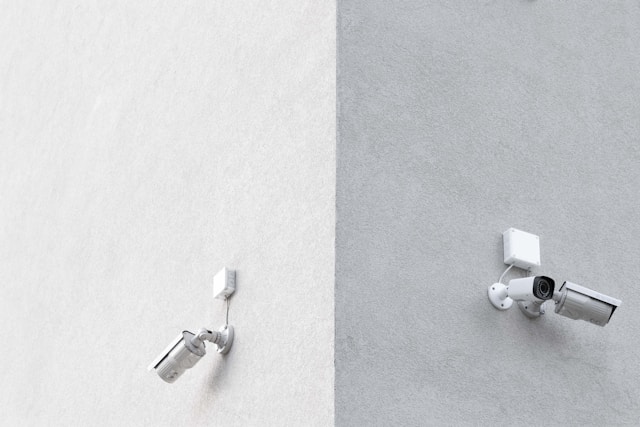

Commercial Security System: What Businesses Actually Need
In the modern business landscape, protecting physical assets is no longer just about locking the front door and hoping for the best. The threats facing today’s organizations are multifaceted, ranging from traditional break-ins and internal theft to complex liability claims and operational inefficiencies. Navigating the market for protection can be overwhelming, with vendors promising the world through dazzling features and technical jargon. However, buying the most expensive hardware doesn’t necessarily equate to better safety. The goal is to implement a Commercial Security System that aligns specifically with your operational risks and business goals. A truly effective system is not a collection of gadgets, but a cohesive ecosystem that provides visibility, control, and peace of mind.
This article cuts through the noise to identify what businesses actually need. We will dismantle the core components of a robust Commercial Security System—surveillance, access control, and monitoring—and explain how to tailor these elements to fit companies ranging from small retail shops to sprawling enterprise campuses.
The Core Pillars of a Modern Commercial Security System
A successful security strategy relies on the principle of “defense in depth.” This means having multiple layers of protection so that if one fails, another is in place to mitigate the risk. A comprehensive Commercial Security System integrates three primary technologies: visual surveillance, physical access restriction, and intrusion detection.
Intelligent Surveillance in Your Commercial Security System
The days of grainy, black-and-white footage stored on a dusty VHS tape are long gone. Today, video surveillance is the eyes of your business, and clarity is non-negotiable. However, businesses don’t just need cameras; they need intelligence.
Modern IP (Internet Protocol) cameras offer high-definition resolution that allows you to zoom in on license plates or faces without losing detail. But the hardware is only half the story. What businesses truly need is video analytics. A standard camera records everything, creating hours of footage that no one has time to watch. An intelligent Commercial Security System uses software to identify specific events. It can distinguish between a stray cat and a human intruder, alert managers if a specialized piece of equipment is moved, or even create heat maps to show where customers congregate in a retail store.
Furthermore, storage is a critical consideration. Businesses need a hybrid approach. Local recording (on an NVR) ensures high-quality footage is captured even if the internet goes down, while cloud backup ensures that critical evidence is preserved off-site in case the recorder itself is stolen or damaged.
Access Control Integration in Your Commercial Security System
Physical keys are a security liability. They can be copied easily, are frequently lost, and offer no record of who used them. For a secure facility, modern access control is essential.
What businesses actually need is an electronic access control system integrated into their broader Commercial Security System. This technology replaces metal keys with keycards, fobs, mobile credentials (using a smartphone), or biometrics like fingerprint scanners. The true value here is control and data.
If an employee leaves the company or is terminated, you don’t need to pay a locksmith to rekey the entire building; you simply deactivate their digital credential instantly. Moreover, access control provides an audit trail. You can see exactly who entered the server room at 2:00 AM. This accountability is vital for internal theft investigations and compliance with industry regulations. Integrating this with your surveillance cameras adds another layer of verification, allowing you to visually confirm that the person using the badge is actually the authorized employee.
Intrusion Detection and Environmental Sensors
While cameras watch and locks restrict, the alarm system acts as the nervous system of your building. A basic alarm is a start, but a robust Commercial Security System needs comprehensive intrusion detection. This goes beyond simple door contacts.
Glass break sensors are crucial for businesses with large storefront windows, detecting the specific acoustic frequency of shattering glass. Motion sensors should be dual-technology (using both infrared and microwave) to minimize false alarms caused by HVAC systems or hanging decorations.
However, businesses often overlook environmental threats. A burst pipe in a warehouse or a failed freezer in a restaurant can cause more financial damage than a burglary. A well-designed Commercial Security System should include environmental sensors that monitor for water leaks, temperature spikes, and humidity changes. These sensors work 24/7, alerting you to critical infrastructure failures long before you arrive at the office to find a disaster.
Tailoring the Commercial Security System to Business Size
One size does not fit all. A local coffee shop does not have the same risk profile or budget as a data center. The key is scalability and appropriateness.
Small Business Essentials for a Commercial Security System
For small businesses, the priority is usually deterrence and cost-effectiveness. A visible Commercial Security System acts as a powerful psychological barrier to opportunistic criminals.
Small business owners need simplicity. They often function as their own security managers, meaning the system must be intuitive. A mobile app-based interface is essential, allowing the owner to arm the alarm, check camera feeds, and unlock the back door for a delivery driver—all from their smartphone. The focus should be on high-traffic areas: the point of sale, the inventory room, and the main entrances. Wireless components can be particularly beneficial here, reducing installation costs and minimizing disruption to the business during setup.
Enterprise-Level Commercial Security System Needs
For larger enterprises, the challenge shifts from deterrence to management. When you have multiple locations, hundreds of employees, and varying clearance levels, a siloed approach fails.
Enterprises need a unified Commercial Security System that operates on a single platform. They require “Single Pane of Glass” management, where a security director can view the status of facilities in New York, London, and Singapore simultaneously. Role-based access is critical here; a local branch manager should only control their specific site, while the regional director has broader oversight.
Furthermore, enterprises need deep integration with other business systems. For instance, the access control system should talk to the HR database. When a new hire is added to the HR system, their access badge should be automatically provisioned. Conversely, when they are removed from payroll, their access should be instantly revoked. This automation reduces administrative burden and eliminates the security gaps caused by human error.
The Role of Professional Monitoring Services
Investing thousands of dollars in hardware is futile if no one is listening when the alarm goes off. An unmonitored Commercial Security System relies on a siren to scare off intruders or on a push notification to your phone that you might miss while sleeping.
What businesses actually need is professional monitoring. This service connects your system to a 24/7 Security Operations Center (SOC). When an alarm is triggered, trained professionals receive the signal immediately.
The critical differentiator here is “verified response.” Police departments in many jurisdictions will not respond to a standard alarm signal due to the high volume of false alarms. They require verification—either audio or video—that a crime is in progress. A monitored Commercial Security System with video verification allows the monitoring agent to look at the camera feed associated with the triggered sensor. If they see a person breaking in, they can dispatch police with a “crime in progress” priority, leading to faster response times and higher arrest rates.
Beyond crime, monitoring services cover panic buttons for staff safety and fire alarm monitoring, which is often a legal requirement for commercial buildings. This layer of human oversight ensures that your technology is backed by action.
Future-Proofing Your Investment
Technology evolves rapidly, and the Commercial Security System you buy today needs to remain relevant five years from now. Businesses should avoid proprietary “closed” systems that force them to use hardware from a single manufacturer.
Scalability and Open Architecture
The best investment is a system built on open architecture. This allows for interoperability between different brands of cameras, readers, and software. It means that as your business grows, you can add new components without ripping out the existing infrastructure. An open Commercial Security System allows you to integrate emerging technologies, such as facial recognition or license plate recognition, as they become necessary for your operations.
Cybersecurity of Physical Security
Finally, as security systems move onto the network, they become potential entry points for cyberattacks. A cheap, unsecure camera can be hacked and used as a backdoor into your company’s financial data. Businesses actually need a Commercial Security System that prioritizes cybersecurity. This includes devices with encrypted data transmission, regular firmware updates from the manufacturer, and rigorous password management protocols. Physical security must be planned in coordination with IT security to ensure the digital fence is just as strong as the physical one.
Conclusion
Determining what your business actually needs from a Commercial Security System requires a shift in perspective. It is not about buying cameras; it is about buying visibility. It is not about buying locks; it is about buying control. Whether you are running a boutique shop or a multinational corporation, the fundamentals remain the same: deter the threat, detect the breach, and document the evidence.
By integrating intelligent surveillance, flexible access control, and environmental monitoring, and backing it all with professional verification, you transform security from a grudge purchase into a strategic asset. A well-designed system protects your bottom line by reducing shrinkage, lowering insurance premiums, and ensuring business continuity. Before you sign a contract for the latest gadget, take a step back. Assess your specific workflows, identify your vulnerabilities, and build a system that solves those specific problems. In a world of uncertainties, the right security system provides the one thing every business owner craves: confidence.

