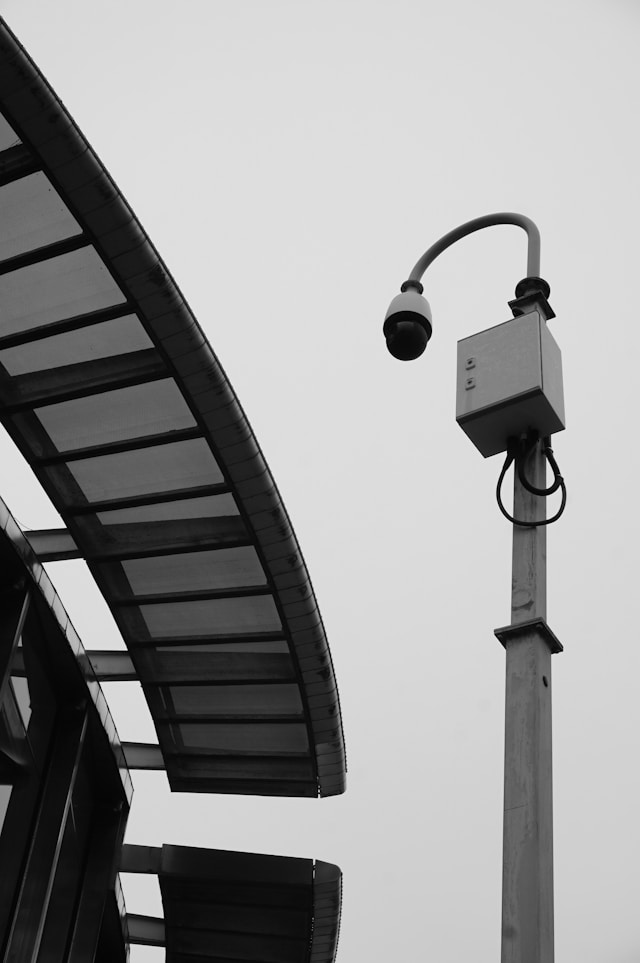

Commercialcctvsecurity.sg Office CCTV and PDPA Compliance
Installing a surveillance system in your workplace protects your physical assets and ensures the safety of your employees. However, capturing video footage of individuals brings significant legal responsibilities under Singapore’s Personal Data Protection Act (PDPA). Balancing robust security measures with strict data privacy laws can easily overwhelm business owners and facility managers. When you fail to handle video data correctly, your company faces severe financial penalties and massive reputational damage. Fortunately, partnering with experts like Commercialcctvsecurity.sg provides the guidance you need to secure your premises without violating privacy regulations. This comprehensive guide explores essential PDPA guidelines for video surveillance, secure storage practices, and how to maintain total compliance in your daily operations.
Understanding PDPA Requirements for Office CCTV Systems
The Personal Data Protection Commission (PDPC) in Singapore treats video footage of identifiable individuals as personal data. This means every time your camera records an employee, a client, or a delivery driver, you must comply with strict data protection rules. You cannot simply install cameras and start recording without a clear, legally sound strategy.
Businesses must justify the purpose of their surveillance and communicate that purpose clearly to anyone entering the premises. The PDPA requires companies to be transparent, accountable, and highly responsible regarding the data they collect. Ignorance of these laws does not protect you from hefty fines if a privacy breach occurs.
How Commercialcctvsecurity.sg Defines Personal Data in Video
Understanding what constitutes personal data is the first step toward compliance. If a video recording captures a person’s face or distinct physical characteristics that allow for identification, the PDPA applies. Even if the footage does not include a name or identification number, the visual record itself qualifies as protected data.
The experts at Commercialcctvsecurity.sg help business owners map out their camera placements carefully. They ensure cameras only capture what is absolutely necessary for security and operational purposes. By avoiding the capture of irrelevant personal data, businesses reduce their overall compliance burden and minimize privacy risks.
The Importance of Notification and Consent
Under the PDPA, you must notify individuals before you collect their personal data via CCTV. For a commercial office, obtaining explicit written consent from every single visitor is completely impractical. Instead, businesses rely on deemed consent by providing clear, prominent notifications.
You must place highly visible signs at all main entrances and within the monitored areas. These signs must state that CCTV is in operation and clearly explain the purpose of the surveillance, such as security and safety. Commercialcctvsecurity.sg assists clients in designing and placing these mandatory notices to ensure they meet all legal notification requirements perfectly.
Data Privacy and Secure Storage Best Practices
Collecting the video footage legally is only half the battle. Once you record the data, the PDPA strictly dictates how you must protect it. Surveillance footage contains highly sensitive information that malicious actors can exploit if they gain unauthorized access.
Businesses must implement robust security arrangements to prevent unauthorized access, copying, or modification of the video files. Leaving a recording server in an unlocked utility closet or using weak default passwords directly violates the protection obligation of the PDPA. You need a structured, highly secure approach to data management.
Commercialcctvsecurity.sg Solutions for Secure Video Storage
Protecting your video data requires enterprise-grade hardware and software. The engineering team at Commercialcctvsecurity.sg deploys state-of-the-art storage solutions designed specifically for PDPA compliance. They utilize advanced encryption protocols to secure the footage both while it rests on the server and while it transmits across your network.
Whether you choose on-site local storage or a secure cloud-based platform, the data remains heavily encrypted. If a thief steals the physical hard drive, they cannot view the video files without the complex decryption keys. This level of technical protection ensures your company never suffers a devastating data breach.
Limiting Access to Surveillance Footage
Not everyone in your organization should have access to the security cameras. The PDPA requires businesses to limit data access strictly to authorized personnel who need it to perform their official duties. Allowing all employees to view the live camera feeds creates a massive privacy vulnerability.
Commercialcctvsecurity.sg helps businesses establish strict role-based access controls within their surveillance software. A security guard might only have permission to view live feeds, while only the human resources director can download archived footage. By setting these strict digital boundaries, you maintain total accountability and prevent internal misuse of sensitive video data.
Navigating Access Requests and Data Retention
The PDPA grants individuals specific rights regarding their personal data. If someone asks whether your organization holds their personal data, you must respond. In the context of CCTV, an employee or visitor can legally request to view footage of themselves.
Handling these access requests requires a clear internal protocol. You must verify the individual’s identity, locate the specific footage, and provide access within a reasonable timeframe. Furthermore, you must ensure that providing this footage does not accidentally expose the personal data of other people captured in the same video.
Managing Employee Access Requests with Commercialcctvsecurity.sg
When an access request arrives, you must redact or blur the faces of other individuals in the video before sharing it. Doing this manually requires expensive video editing software and specialized technical skills. Most small and medium businesses do not have these resources readily available in-house.
Partnering with Commercialcctvsecurity.sg gives you access to advanced video redaction tools and professional support. Their systems allow authorized users to quickly blur irrelevant faces and isolate the specific individual who submitted the request. This technical capability ensures you fulfill your legal obligations promptly without violating the privacy of your other employees.
Establishing Clear Retention Policies
You cannot keep surveillance footage indefinitely. The PDPA mandates that companies destroy personal data as soon as it no longer serves its original business or legal purpose. Holding onto years of old security footage dramatically increases your risk profile and violates the retention limitation obligation.
The consultants at Commercialcctvsecurity.sg help businesses define and implement strict data retention schedules. For most standard office environments, retaining footage for 30 to 60 days provides adequate security coverage. They configure your recording servers to automatically overwrite the oldest footage once it reaches this expiration date, ensuring continuous, automated compliance.
Creating a Bulletproof Internal CCTV Policy
Technology alone cannot guarantee total legal compliance. Your organization must develop clear, written policies that govern how your staff uses the surveillance system. The PDPA requires companies to designate a Data Protection Officer (DPO) who oversees these policies and ensures the company meets all regulatory standards.
Your internal CCTV policy should outline the exact purpose of the cameras, the location of the signs, and the procedures for handling access requests. It must also detail the disciplinary actions employees face if they share or misuse the video footage. A strong written policy proves to the regulatory authorities that you take privacy seriously.
Commercialcctvsecurity.sg Guidance on Documentation
Drafting comprehensive privacy policies from scratch frustrates many business leaders. The regulatory language often seems dense and difficult to apply to daily operations. Working with experienced security partners bridges this gap between legal theory and practical application.
Commercialcctvsecurity.sg provides clients with best-practice templates and structural guidance for creating internal CCTV policies. They help your Data Protection Officer understand exactly how the camera technology interacts with the legal framework. This collaborative approach ensures your documentation accurately reflects your physical security setup, providing a solid defense during any regulatory audit.
Secure Your Office with Confidence
Protecting your commercial property should never compromise the privacy of your employees or visitors. As surveillance technology grows more advanced, the legal landscape surrounding personal data protection becomes increasingly strict. Navigating the requirements of the PDPA demands a proactive, highly disciplined approach to security management. You must balance the need for physical safety with the absolute necessity of data privacy.
Do not wait for a privacy complaint or a regulatory audit to evaluate your current surveillance practices. Take control of your data protection strategy today by working with seasoned industry professionals. We highly encourage all business owners and facility managers to consult the experts at Commercialcctvsecurity.sg. Let their dedicated team audit your current setup, implement robust encryption standards, and deliver a fully PDPA-compliant CCTV solution that protects your business on every front.

