
3D Signage vs Traditional Signs in Singapore
Choosing the right sign can shape how people see your business before they ever step inside. In Singapore, where retail streets, malls, offices, and F&B spaces compete hard for attention, 3D Signage is changing what effective branding looks like. This article compares 3D signage and traditional signs across visual impact, business use, cost value, and customer response. You will see where each option works best and why more brands in Singapore are moving toward dimensional signage.
Why Signage Still Matters in Singapore
Signage does more than display a name. It helps customers find you, remember you, and judge your brand in seconds. In a busy market like Singapore, that first impression matters more than many businesses expect.
A weak sign can make even a good business look forgettable. A strong sign can add trust, visibility, and a more polished brand image. That is why the debate between modern 3D signage and traditional flat signs matters for both new and established brands.
3D Signage and Changing Customer Expectations
Customers today respond strongly to visual presentation. They notice depth, lighting, texture, and finish faster than plain printed text. This shift has pushed businesses to think beyond basic signs.
3D signage meets those expectations well. It looks more premium, catches light better, and stands out more easily in crowded spaces. In Singapore’s competitive business environment, those advantages are hard to ignore.
Traditional Signs Still Have a Role
Traditional signs are not obsolete. Flat acrylic boards, vinyl banners, painted signs, and printed panels still serve many businesses well. They are often simpler, faster to produce, and lower in upfront cost.
For temporary promotions or basic wayfinding, traditional signs can still be practical. The real question is not whether they still work. It is whether they deliver enough impact for the setting and the brand.
3D Signage vs Traditional Signs in Visual Impact
Visual impact is often the biggest difference between these two options. People react to what they can notice quickly, and dimensional design gives businesses an edge.
3D Signage Creates Depth and Presence
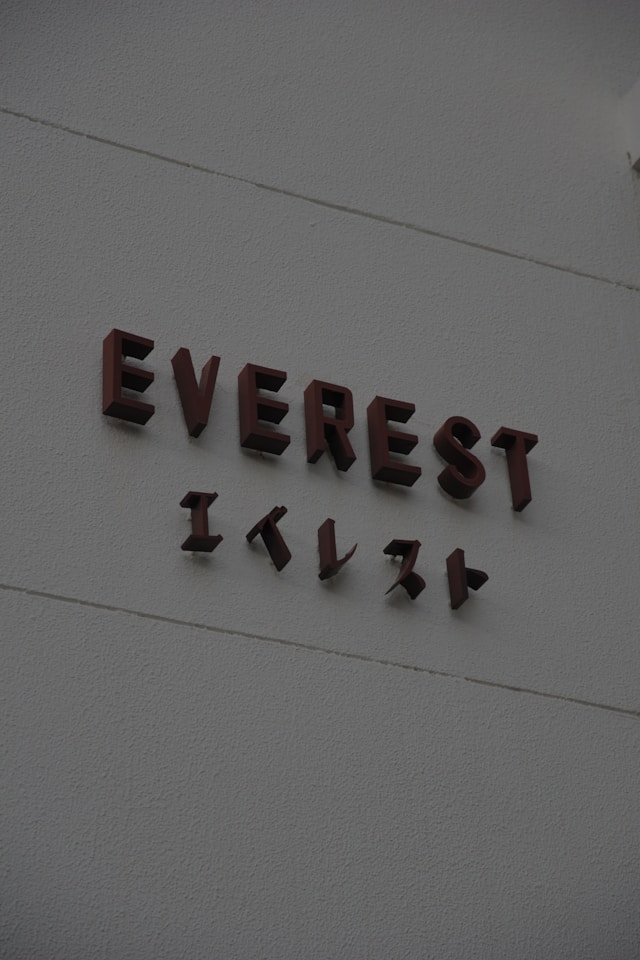
3D signage uses raised letters, layered forms, light boxes, or channel lettering to create physical depth. That depth makes the sign more visible from different angles and distances. It also gives the brand a stronger presence on the storefront or wall.
This matters in shopping malls, business districts, and F&B zones where many signs compete side by side. A flat sign may communicate a name. A 3D sign often makes people pause and look.
Traditional Signs Offer Simplicity but Less Impact
Traditional signs are usually flat and direct. That simplicity can be useful when the goal is basic information. Yet flat surfaces often struggle to stand out in crowded commercial spaces.
A printed board can look clean, but it may not create the same memory value as dimensional lettering or illuminated signage. In markets where attention is scarce, that difference can affect foot traffic.
3D Signage Works Better With Lighting
One major advantage of 3D signage is how well it pairs with lighting. Backlit letters, halo-lit signs, and LED channel signage all create a sharper visual effect, especially at night or in indoor retail settings.
Traditional signs can also use lighting, but the result is often less dynamic. The added dimension of 3D signage helps shadows, glow, and contrast work more effectively. This gives brands longer visibility throughout the day.
3D Signage and Brand Positioning in Singapore
A sign is part of your brand identity. It tells people whether your business feels modern, budget-friendly, premium, playful, or professional. This is where 3D signage often changes the market.
3D Signage Supports Premium Branding
Many Singapore businesses want to look credible the moment a customer sees them. This is especially true in retail, beauty, healthcare, real estate, and corporate office environments. A polished sign helps reinforce that image.
3D signage supports premium branding through material choice and finish. Acrylic, stainless steel, aluminum, and illuminated lettering can all make a business look more established. That visual lift can influence trust before any sales conversation begins.
Traditional Signs Suit Basic or Short-Term Branding
Traditional signs are often better suited to temporary needs, budget setups, or businesses that do not need a premium storefront image. For example, event banners, temporary hoardings, and short-run promotions often make sense in flat printed form.
That does not mean traditional signs are poor quality. It means their branding effect is usually narrower. They tend to communicate information well, but they may not elevate the brand in the same way.
3D Signage Improves Brand Recall
People remember striking visuals more easily than plain text. A sign with depth, clean finish, and strong lighting is more likely to stay in the customer’s mind. That helps with repeat visits and word-of-mouth recall.
In a dense city like Singapore, where customers pass many brands in a short time, stronger recall matters. If your sign is memorable, your business has already gained an advantage.
3D Signage vs Traditional Signs in Business Applications
Both sign types serve useful purposes, but they often shine in different situations.
3D Signage Fits High-Visibility Commercial Spaces
3D signage works especially well in shopping malls, storefronts, office receptions, exhibitions, and F&B outlets. These are spaces where visual competition is high and brand presentation matters a lot.
For example, a restaurant with illuminated 3D letters may attract more walk-in attention than one using a flat printed panel. A clinic with dimensional lobby signage may also appear more professional and trustworthy. The medium supports the message.
Traditional Signs Fit Informational and Temporary Use
Traditional signs remain useful for menu boards, directional signs, price boards, event notices, and short-term campaigns. These uses often require speed, scale, and affordability more than premium finish.
A business does not always need 3D signage for every sign element. In many cases, the smartest solution is a mix. Use 3D signage for the brand focal points and traditional signs for support functions.
3D Signage Adapts Across Industries
One reason 3D signage is transforming the market is its flexibility. It works for luxury retail, tuition centers, cafes, salons, clinics, showrooms, and corporate offices. The style can be adjusted to fit different brand personalities.
This broad application is helping more businesses view 3D signage as a strategic investment rather than a decorative extra. It has moved far beyond niche use.
3D Signage and Long-Term Value
Upfront cost often shapes the first decision, but value over time matters more for many businesses.
Can Deliver Better Return on Investment
3D signage usually costs more upfront than traditional flat signs. Materials, lighting, fabrication, and installation can increase the price. Yet the longer-term return can justify the spend.
A stronger sign may improve visibility, foot traffic, and brand perception for years. If it helps bring in more customers or supports stronger positioning, the return can outweigh the initial cost. This is why many Singapore businesses now see signage as an asset, not just an expense.
Traditional Signs Are Easier on Short-Term Budgets
Traditional signs often win on affordability. If a business needs something fast and cost-effective, flat signage is usually easier to produce and replace. This makes sense for startups, temporary booths, or businesses testing a location.
Still, lower cost does not always mean better value. If the sign fails to stand out, the business may save money upfront but lose opportunities later. The right choice depends on the goal.
Often Lasts Longer
Well-made 3D signage is usually built with more durable materials and stronger structural design. Acrylic letters, metal finishes, and LED components can handle long-term use with less visual decline when maintained properly.
This durability matters in Singapore’s humid climate and heavy-use commercial settings. A sign that holds its appearance over time protects brand image and reduces frequent replacement.
3D Signage and Market Transformation in Singapore
The market is shifting because businesses are now more aware of how design affects customer behavior. Signage is no longer treated as an afterthought.
Reflects Experience-Led Business Design
Modern business spaces are built around experience. Customers notice how a place feels, not just what it sells. Signage now contributes to that full environment, especially in retail and F&B.
3D signage fits this shift because it adds texture, mood, and a more complete visual identity. It helps businesses create spaces that feel intentional and modern. That is a major reason demand keeps growing.
Helps Businesses Compete in Crowded Areas
Singapore is full of high-traffic zones where brands fight for the same glance. Orchard, Bugis, Tampines, Tanjong Pagar, and many mall settings all reward businesses that present themselves well.
In these areas, 3D signage offers a practical edge. It improves noticeability without relying only on oversized design. Better presentation can turn passing traffic into store visits.
Is Becoming the New Standard
As more businesses adopt dimensional signs, customer expectations rise. What once felt premium is becoming normal in many sectors. That means brands using only flat signage may start to look dated in comparison.
This does not mean every business must switch immediately. It does mean the market is moving, and visual standards are rising with it.
Final Thoughts on 3D Signage in Singapore
The comparison between traditional signs and 3D Signage is really a comparison between basic visibility and stronger visual impact. Traditional signs still serve useful purposes, especially for temporary, informational, or budget-driven needs. But when the goal is to stand out, strengthen branding, and create a more premium customer impression, 3D signage has clear advantages.
For businesses in Singapore, the next step is simple. Review what your current sign is doing for your brand. If it only labels your space, it may be time to aim higher. A stronger sign can improve visibility, trust, and market presence in ways that support real business growth.

